
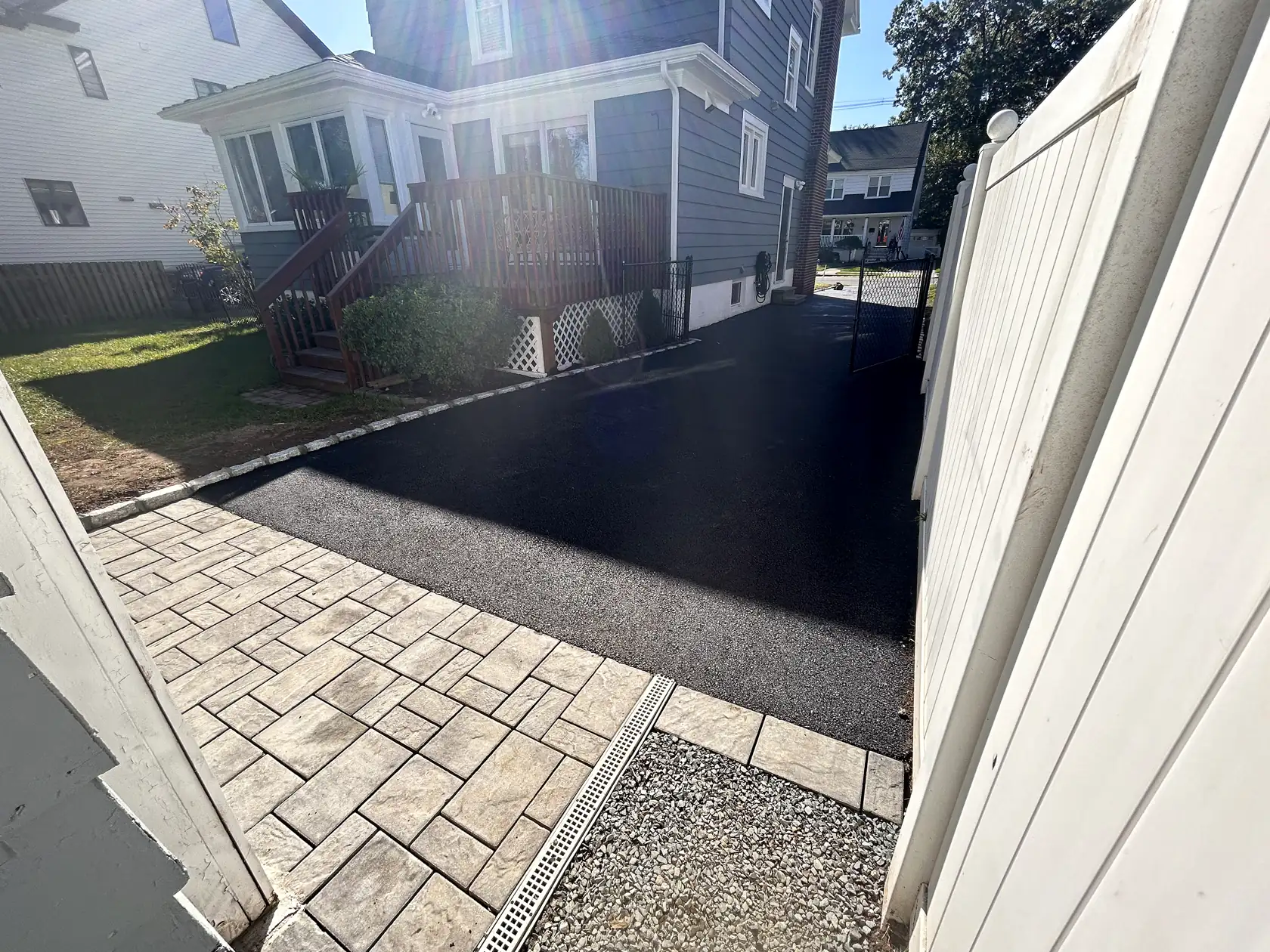
Paving and driveways across New Jersey
New asphalt, repairs, resurfacing, sealcoating and specialty stone surfaces, laid on a base built to hold.
A driveway is mostly the part you cannot see
Almost every failed driveway in New Jersey failed underneath. The asphalt on top is the last few inches of a job that is really about excavation, stone and compaction. Get those wrong and the surface will crack, sink or hold water no matter how good it looked on the day the crew left.
That is the part of the work Courtyard cares most about. The person quoting the job is the person responsible for what happens under it.
New asphalt driveways
Full replacement when the base has gone or the surface is past repair. The old surface comes out, the ground is cut to real subgrade, stone goes down in layers and each layer is compacted before the next one. Surfaces get pitched away from the house so water leaves rather than sits.
Repairs and resurfacing
Not every tired driveway needs replacing. If the base is sound, resurfacing puts a new wearing course over the top for a fraction of the cost, and cracks, potholes and broken edges can be sealed or cut out and patched. We will tell you which of those your driveway actually needs, including when the honest answer is that a repair is throwing money at a base that has already failed. Driveway repair covers each one.
Sealcoating
Sealer protects asphalt from water, sun and salt, and it is the cheapest thing you can do to extend a driveway's life. It is also the most oversold. Sealing a driveway too often, or sealing one that needs structural repair first, is money spent on appearance. We will say so. More on sealcoating.
Specialty stone surfaces
Tar and chip goes by several names in New Jersey. Oil and stone and chip seal describe much the same process: hot liquid asphalt is applied and stone chips are rolled into it, which leaves a textured natural stone finish with good traction. It suits long rural drives and properties where a smooth black surface would look wrong. See tar and chip driveways.
Commercial paving
Parking lots, approaches and commercial driveways. Larger areas bring drainage and traffic loading into play, and both get designed in rather than discovered later.
Common questions
How long does a new asphalt driveway take?
Most residential driveways are a two visit job. The excavation, base and compaction happen first, then paving. Weather moves these dates more than anything else, since asphalt does not lay well in cold or wet conditions.
When can I drive on it?
New asphalt needs time to cure and stays soft in hot weather for a while afterwards. We will give you the timing for your specific driveway when the work is booked, because it depends on the mix and the season.
Repair, resurface or replace?
Isolated cracks and potholes are repairs. A worn but structurally sound surface is a resurfacing candidate. Widespread alligator cracking, sinking areas or water that pools after every storm usually mean the base has failed, and that is a replacement.
Do you do tar and chip and oil and stone?
Yes. They are close relatives of the same process under different regional names, and we install all of them.
This page was last updated in September 2026.
Pick the one that matches your driveway.
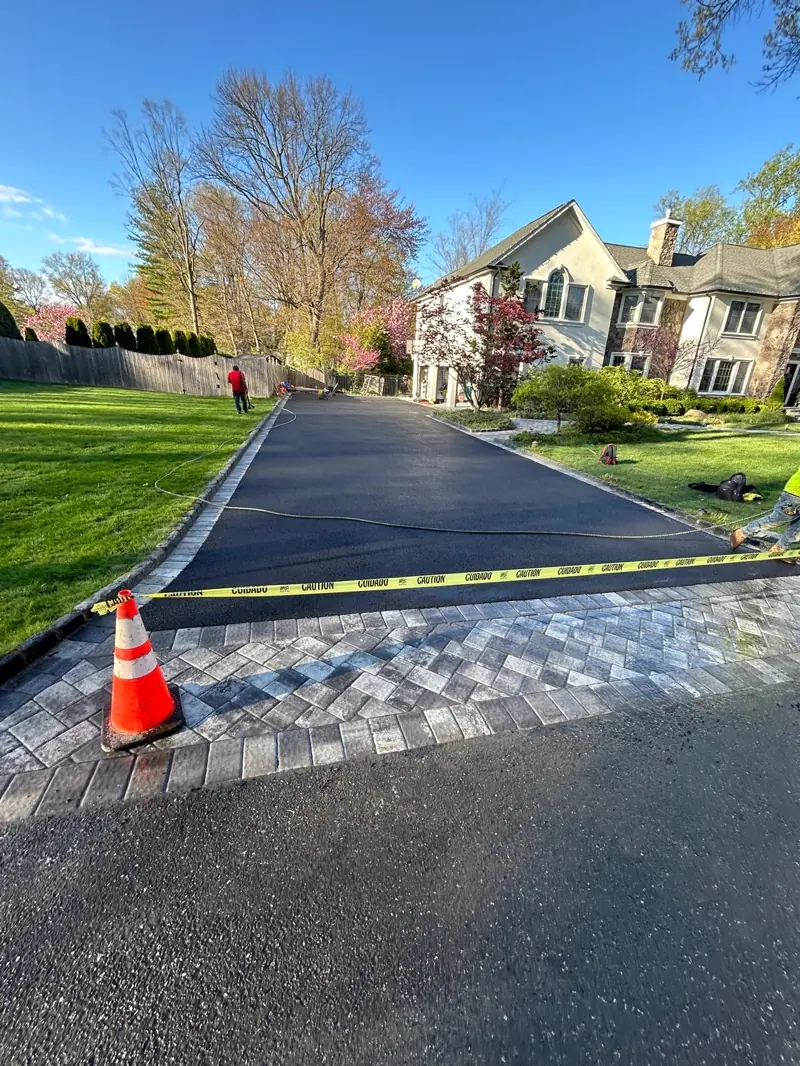
Asphalt Driveway Paving
New driveways and full replacement, built from the subgrade up.
Read more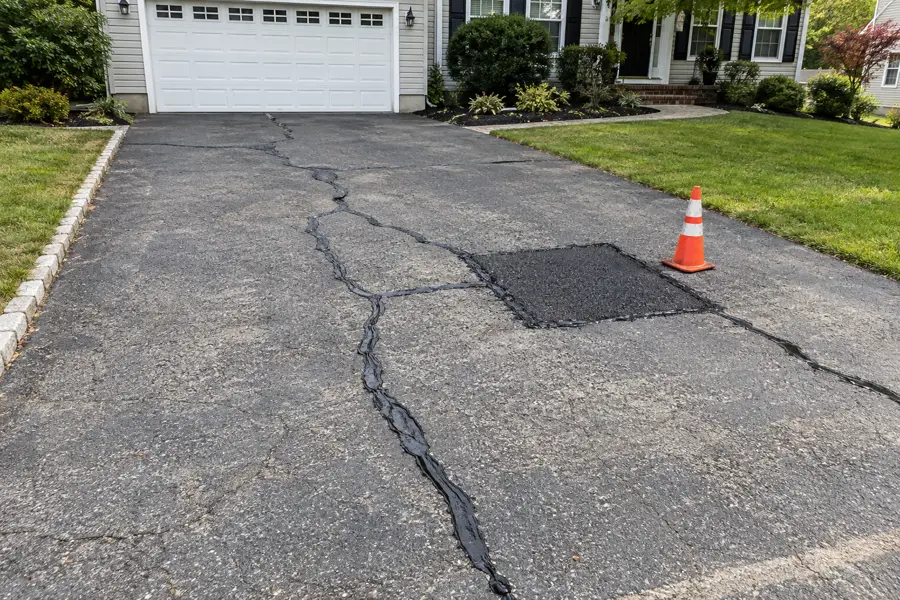
Driveway Repair
Crack sealing, patches, broken edges and resurfacing, when the base is still sound.
Read more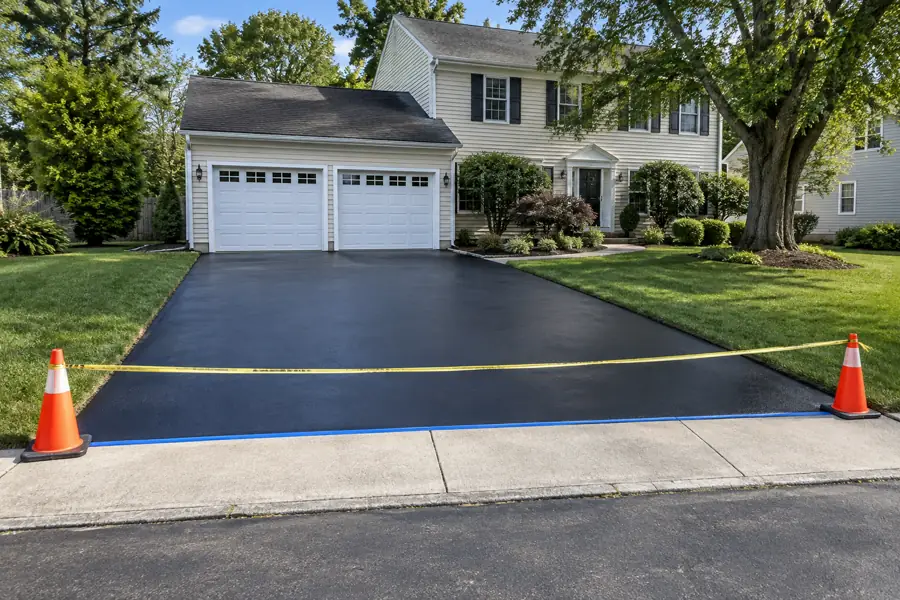
Driveway Sealcoating
Protection against water, sun and salt, done on a sensible schedule.
Read more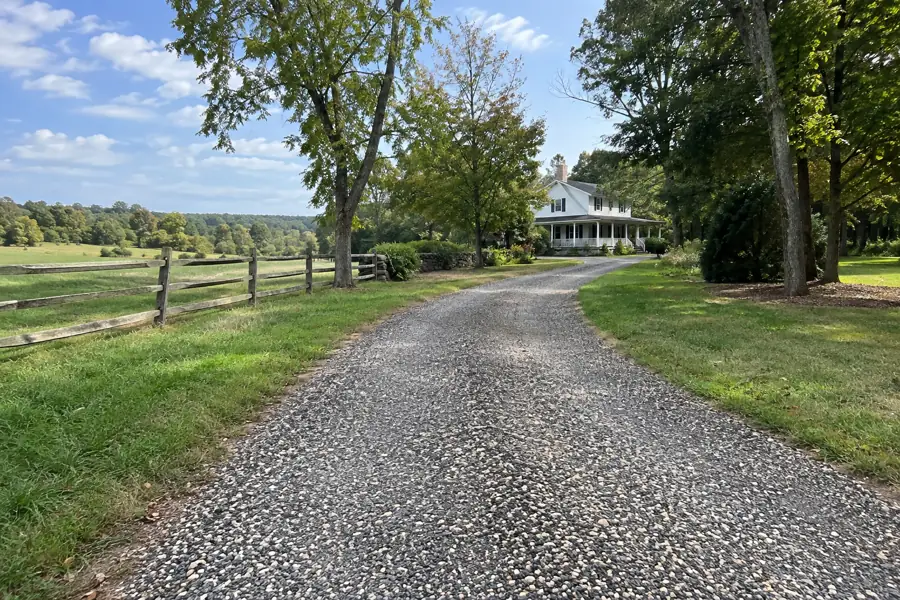
Tar and Chip Driveways
Also sold as oil and stone or chip seal. Textured, natural stone finish.
Read moreWant to know what your driveway actually needs?
Call (973) 489-3642. If a repair will do, we will tell you that instead of quoting a replacement.