
Foundation repair and waterproofing
Find where the water is coming from before selling anything to stop it.
Most foundation calls are water calls
People call about a foundation for two reasons: a crack they have noticed, or water in the basement. Very often those are the same problem. A fine crack in a poured wall is usually a path for water rather than a sign the house is moving, and a basement that takes water in heavy rain is usually telling you about the drainage outside rather than the concrete.
So the first job is working out which problem you actually have. Selling an interior system to somebody whose real problem is a downspout is how this part of the trade earned its reputation, and it is the thing we are most careful not to do.
What we look at first
- Where the water appears inside, and when: only in heavy rain, only in spring, or constantly
- Gutters and downspouts, and where they actually discharge
- The grade around the house, and whether it falls away from the wall or back toward it
- Driveways, patios and walks next to the foundation, and which way they are pitched
- The wall itself: cracks, their shape and direction, and whether they are moving
- Any existing drainage or sump, and whether it is working
Foundation crack repair
Not all cracks mean the same thing. Fine vertical cracks in poured concrete are common, because concrete shrinks as it cures, and they are usually a water problem rather than a structural one. A crack like that which leaks is typically sealed from inside by injection, which fills it through the full thickness of the wall rather than skimming over the face.
Horizontal cracks, stair stepping through block, a crack that is wider at one end than the other, or a wall that is bowing inward are a different matter. Those point to pressure from the soil outside, and they need looking at properly rather than filling. Where a crack is beyond what we should be handling, we will say so and tell you it needs a structural engineer. That is a better outcome for you than a contractor injecting a crack that was telling you something.
Waterproofing, service by service
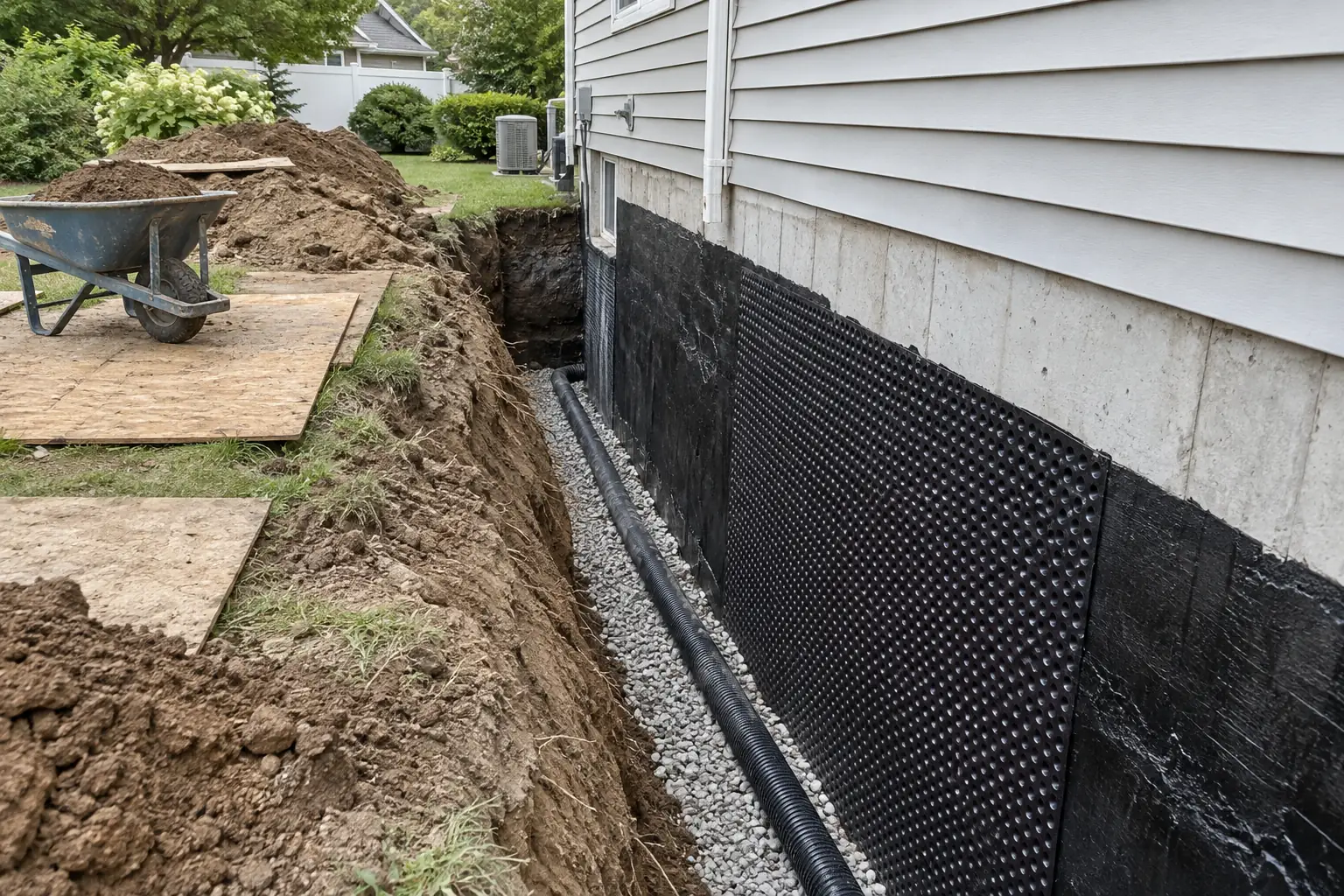
Basement waterproofing starts outside, with grading, downspouts and the hard surfaces against the house, and moves to exterior membranes or interior drainage only where the source cannot be fixed more simply.
French drains intercept ground water and carry it away before it reaches the wall, in the yard or along the footing.
Sump pumps collect the water an interior drain gathers and push it out and away from the house, with a discharge line that cannot freeze and, ideally, a battery backup.
Crawl spaces and egress windows
Crawl space drainage and moisture control, and egress window installation where a basement is being made habitable. Egress work is often driven by code rather than by water, so tell us which you are dealing with when you call.
What New Jersey ground does
Clay through much of the north holds water against a foundation instead of letting it drain, and it swells when it is wet. The freeze and thaw cycling here works on that saturated soil all winter. Closer to the shore the water table itself sits high enough that drainage stops being about surface water at all. The right answer genuinely differs by where you are, which is why we look before quoting.
Common questions
What is the average cost for foundation repair?
It ranges from extending a downspout to excavating a wall, so an average would not tell you much. The price depends on what is causing the problem and how much of the wall is involved. We find the cause first and give you a written price for fixing it. See what drives the price.
Is a crack in my foundation wall a structural problem?
Often not. Fine vertical cracks in poured walls are common and usually a water path. Horizontal cracks, stair stepping through block, or a bowing wall are different and need a proper look, sometimes by an engineer.
Will homeowners insurance cover foundation repair?
That depends on your policy and the cause, and policies often treat settling and ground water differently from sudden events. Your insurer decides that. We can tell you plainly what we found and what we think caused it.
Is it worth fixing a foundation?
Almost always. Water and movement both get worse with time, and a foundation problem left alone becomes a bigger one and a harder conversation when you sell the house.
Can you live in a house while foundation repair is done?
For the work on this page, yes. Crack injection, drainage and grading happen around you. Expect noise, dust in the basement and a dug up strip of yard while exterior work is open.
What is the best time of year for foundation repair?
Interior work can happen year round. Exterior digging and grading are easiest from spring through fall, when the ground is not frozen. If water is coming in now, do not wait for the season to have it looked at.
This page was last updated in September 2026.
Find the water, then fix the path it takes.
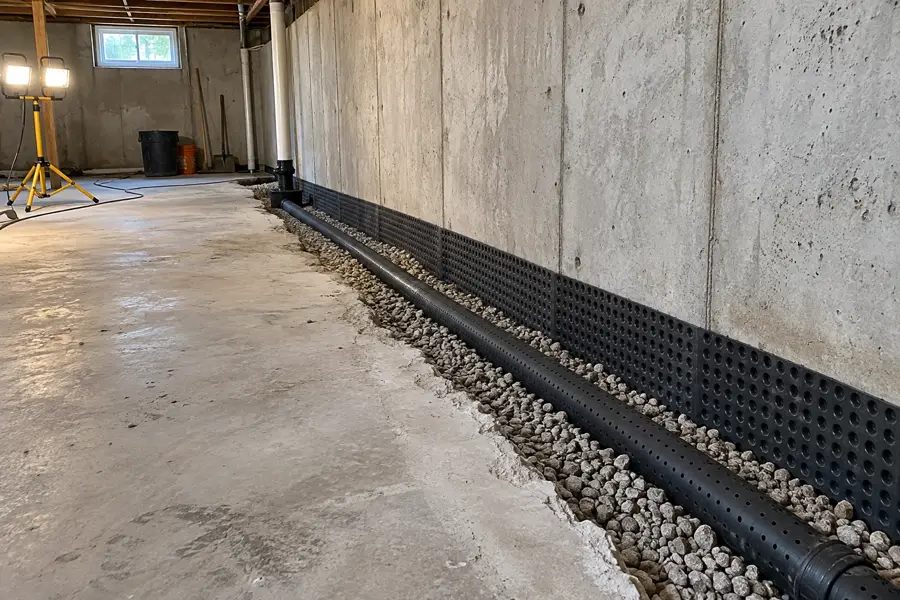
Basement Waterproofing
Grading and downspouts first, then exterior membranes or interior drainage where the source needs it.
Read more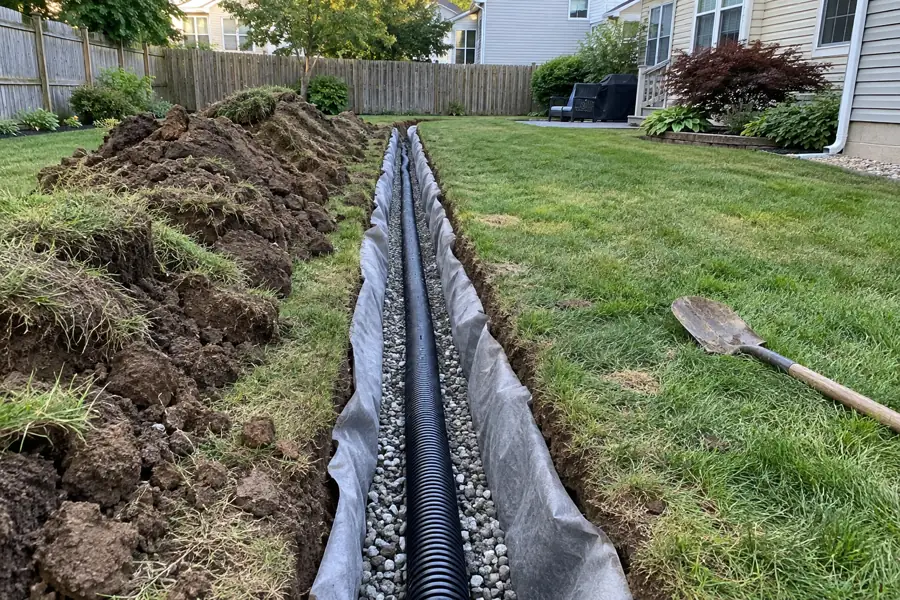
French Drains
Yard and footing drains that carry ground water away before it reaches the house.
Read more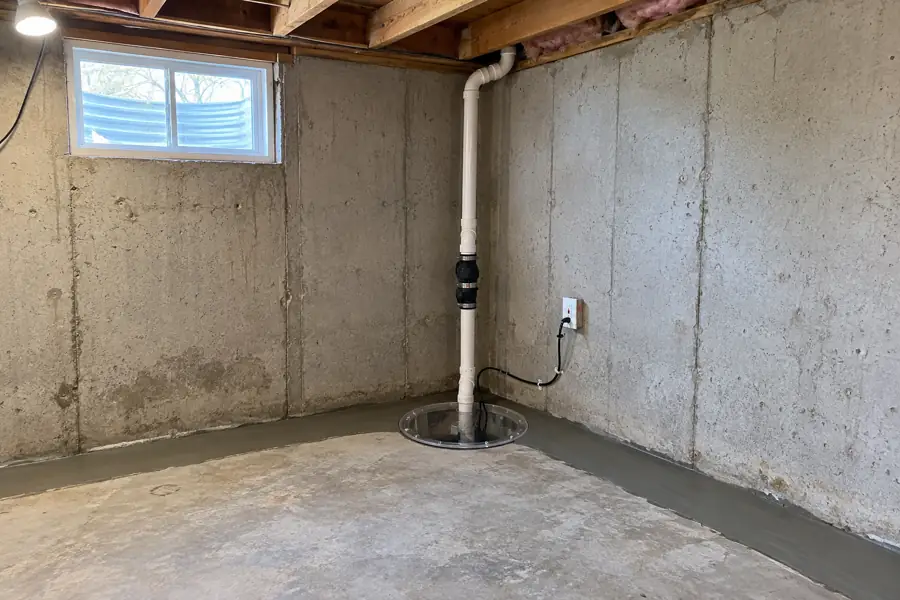
Sump Pump Installation
Pit, pump, check valve and a discharge that cannot freeze, with battery backup options.
Read moreWater where it should not be?
Call (973) 489-3642. We will find where it is coming from before quoting anything to stop it.