Asphalt driveway replacement in Montclair, NJ may be necessary when widespread cracks, potholes, sinking areas, or drainage problems can no longer be corrected with routine repairs.
A few small cracks do not automatically mean that you need a completely new driveway. However, recurring damage can indicate that the asphalt surface or the supporting base underneath it is beginning to fail.
Understanding the difference between repair, resurfacing, and full replacement can help you avoid repeated repair expenses and prevent further damage. This guide explains the main warning signs and what Montclair homeowners should consider before planning a new driveway.
Seven Signs Your Asphalt Driveway May Need Replacement
One isolated crack or small pothole may be repairable. Replacement becomes more likely when damage affects a large portion of the driveway or continues to return after repairs.
1. Widespread Alligator Cracking
Alligator cracking appears as a network of connected cracks resembling reptile skin. It often develops in areas that regularly carry vehicle weight.
A few individual cracks may be sealed. However, extensive alligator cracking may indicate that the pavement or supporting base has weakened. In that situation, filling the visible cracks may provide only temporary improvement.
2. Multiple or Recurring Potholes
Potholes commonly form when moisture enters damaged asphalt and weakens the surrounding pavement.
One small pothole may be patched. Several large potholes—or potholes that keep returning—can suggest poor drainage, base instability, or widespread deterioration.
Recurring potholes may also create hazards for vehicles, bicycles, and pedestrians.
3. Standing Water After Rain
Water should drain away from the driveway instead of remaining in puddles for long periods.
Persistent standing water may be caused by:
- Low or sunken areas
- Poor surface grading
- Base settlement
- Drainage problems
- Deformed asphalt
Water can enter existing cracks and contribute to further deterioration. Professional asphalt driveway paving in Montclair, NJ should include proper site preparation and grading to help direct water away from the driveway and nearby structures.
4. Sinking, Buckling, or Uneven Areas
Large dips, raised areas, or uneven sections may indicate movement beneath the asphalt.
Possible causes include inadequate compaction, poor soil conditions, water movement, or a weakened base. Uneven pavement can make parking difficult, create tripping hazards, and direct water toward the garage, home, or landscaping.
Surface patching may not correct a deeper foundation problem.
5. Crumbling or Broken Edges
Driveway edges may deteriorate when they lack adequate support or are repeatedly driven over.
Once the edges begin to crack and crumble, the damage can gradually spread inward. Small areas may be repairable, but widespread edge failure may require removal and reconstruction.
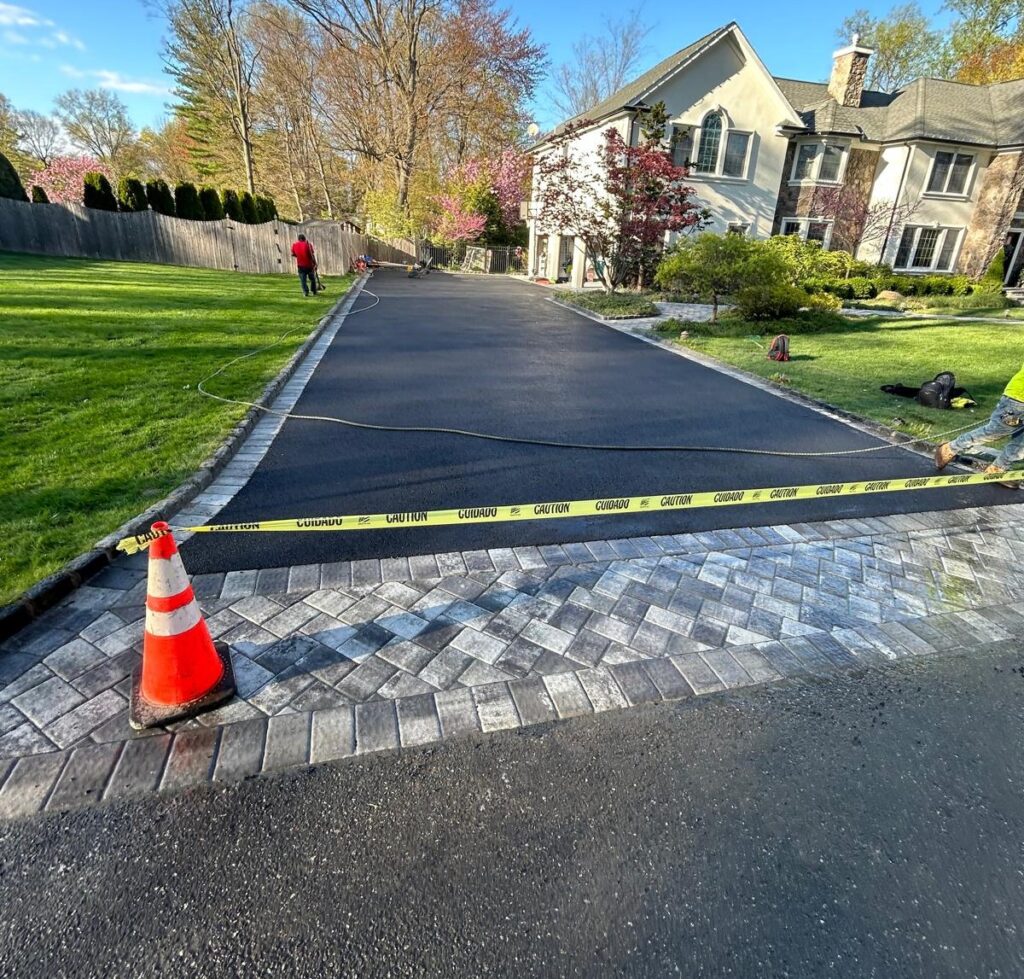
Damaged driveway borders may also affect nearby interlocking paver walkways or masonry edging.
6. Repairs No Longer Last
Routine maintenance can extend the useful life of asphalt, but repairs should not become a constant expense.
Replacement may be more practical when:
- The same cracks repeatedly reopen
- Potholes return after patching
- Several sections need repair
- Water continues to collect
- The surface keeps sinking or breaking apart
At this stage, comparing asphalt repair vs. replacement can help determine whether another patch is worthwhile.
7. Extensive Age-Related Deterioration
There is no single replacement age for every asphalt driveway.
Its condition depends on installation quality, base preparation, drainage, traffic, maintenance, weather exposure, and soil movement.
An older driveway that remains smooth and stable may only need maintenance. A driveway with widespread cracking, potholes, settlement, and drainage failure may need replacement regardless of its exact age.
Should You Repair, Resurface, or Replace Your Driveway?
The visible condition of the driveway and the stability of its base will usually determine the appropriate service.
| Driveway condition | Possible solution |
| A few isolated cracks | Crack sealing or localized repair |
| One small pothole | Patching |
| Minor edge damage | Localized edge repair |
| General surface wear with a stable base | Resurfacing |
| Widespread alligator cracking | Possible replacement |
| Major sinking or base movement | Replacement |
| Persistent drainage problems | Inspection and possible reconstruction |
| Repeated unsuccessful repairs | Replacement may offer better value |
This table provides general guidance only. An on-site inspection is needed to confirm the most suitable solution.
Asphalt Driveway Repair
Asphalt driveway repair may be appropriate when damage is limited to a few isolated areas and the supporting base remains stable.
Typical repair work can include sealing cracks, patching small potholes, or rebuilding a damaged edge.
Asphalt Driveway Resurfacing
Asphalt driveway resurfacing involves placing a new layer of asphalt over the existing surface.
It may be suitable when the driveway has widespread surface wear but does not have serious sinking, structural cracking, or base failure. The existing pavement must be stable enough to support the new layer.
Full Asphalt Driveway Replacement
Complete replacement may involve removing the old pavement, evaluating the base, correcting drainage or grading problems, compacting the foundation, and installing new asphalt.
Replacement is generally more appropriate for:
- Severe alligator cracking
- Widespread potholes
- Significant settlement
- Base failure
- Persistent drainage problems
- Repeated unsuccessful repairs
How Montclair Weather Can Affect Asphalt
Driveways in Montclair experience rain, snow, ice, and changing seasonal temperatures.
Water can enter small cracks and reach the layers beneath the pavement. When temperatures fall, trapped moisture may freeze and expand. Repeated freezing and thawing can make existing cracks larger and weaken already damaged areas.
Snow removal can also affect the surface. Sharp equipment, aggressive scraping, and repeated impact may damage asphalt or break weakened edges.
Montclair homeowners can reduce deterioration by:
- Repairing cracks before winter
- Removing snow carefully
- Correcting standing-water problems
- Inspecting the driveway after cold weather
- Addressing minor damage before it spreads
- Keeping the driveway edges supported
Regular asphalt driveway maintenance in New Jersey cannot prevent every problem, but it may delay more serious deterioration.
What Happens During Asphalt Driveway Replacement?
A professional replacement project should begin with an evaluation of the existing surface, base, grade, and drainage.
Courtyard Home Improvement assesses the condition and layout of the property before recommending the appropriate paving solution.
Existing Asphalt Is Removed
The damaged pavement may be removed so the contractor can examine the supporting base and identify weak or unstable areas.
The Base Is Prepared and Graded
Weak sections may need to be rebuilt, leveled, or compacted. The grade may also need to be adjusted to improve drainage.
Base preparation is one of the most important parts of the asphalt driveway replacement process. Even a well-finished asphalt surface may deteriorate early when installed over an unstable foundation.
New Asphalt Is Installed and Compacted
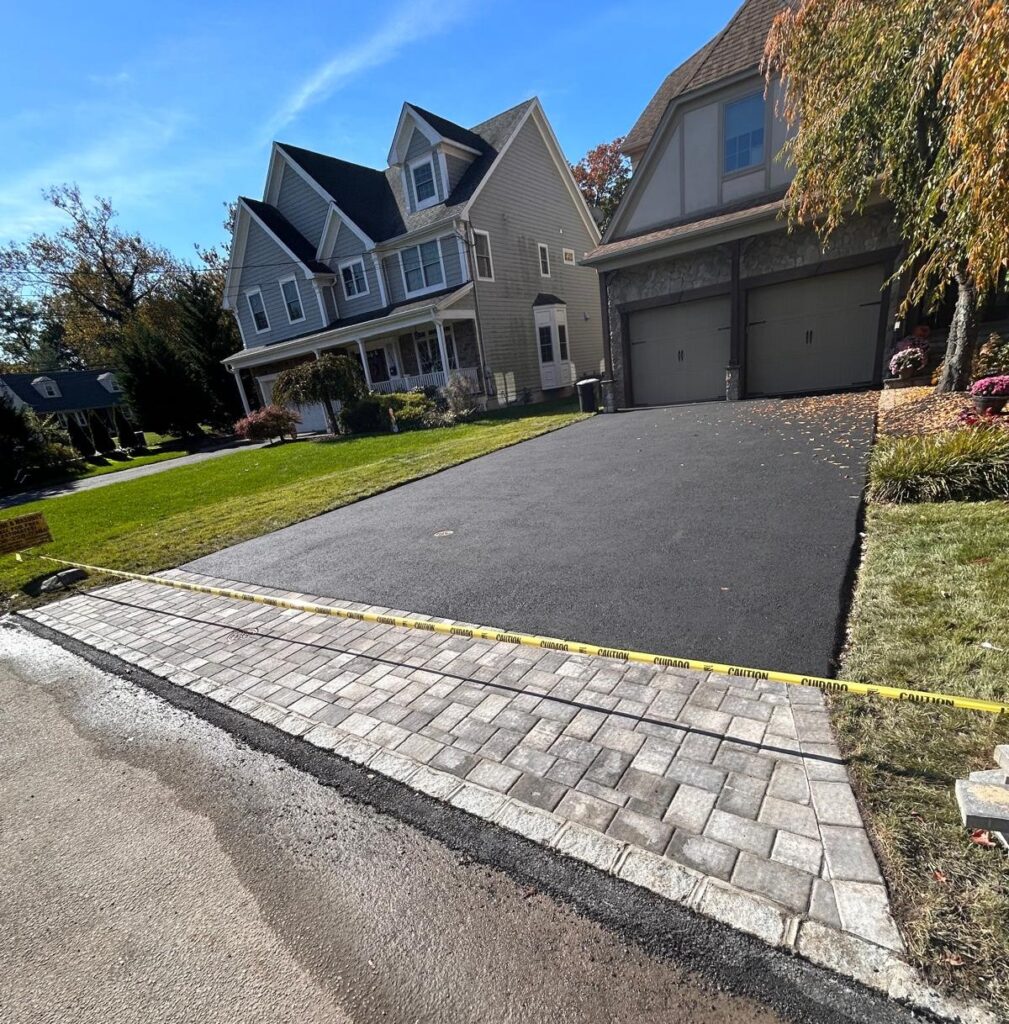
The asphalt is laid, leveled, and compacted to create a stable and even surface.
After installation, homeowners should follow the contractor’s instructions regarding curing, parking, vehicle traffic, and maintenance. The recommended waiting period can vary depending on the project and weather conditions.
What Affects Asphalt Driveway Replacement Cost?
The asphalt driveway replacement cost in Montclair, NJ will depend on the conditions of the individual property.
Common cost factors include:
- Driveway length and width
- Existing pavement removal
- Base condition
- Grading work
- Drainage corrections
- Asphalt thickness
- Site access
- Disposal requirements
- Masonry borders or edging
Related masonry services may also affect the project scope when driveway borders, steps, or adjacent structures require work.
Online price ranges cannot account for every site condition. An on-site driveway replacement estimate provides more reliable information.
Frequently Asked Questions
Can a badly cracked asphalt driveway be repaired?
Localized cracks may be sealed or patched. However, widespread alligator cracking can indicate damage below the surface. When the base has weakened, resurfacing or complete replacement may provide a more effective long-term solution.
Is resurfacing cheaper than replacing a driveway?
Resurfacing normally involves less demolition and reconstruction than full replacement. However, it is only appropriate when the existing foundation is stable. Resurfacing over a failing base may allow cracks and settlement to return.
What is the best time to replace an asphalt driveway in Montclair?
Asphalt installation generally requires suitable temperatures and relatively dry conditions. The best scheduling period depends on the weather, site conditions, and project requirements. A local contractor can recommend an appropriate installation window.
Do I need a permit to replace my driveway in Montclair?
Requirements may vary depending on whether the project involves repaving an existing surface, expanding the driveway, changing drainage, modifying the grade, or working near the public right-of-way. Confirm current requirements directly with the Township of Montclair before construction begins.
How long does driveway replacement take?
The timeline depends on the driveway size, removal requirements, base repairs, drainage work, weather, and site access. A contractor should provide a project-specific schedule after inspecting the property.
How soon can I park on new asphalt?
Curing and parking instructions can vary based on temperature, asphalt thickness, and project conditions. Follow the contractor’s specific instructions before placing vehicles or heavy objects on the new surface.
Request an Asphalt Driveway Evaluation in Montclair, NJ
Is your driveway cracked, uneven, crumbling, or collecting water? Courtyard Home Improvement can evaluate the surface, grading, drainage, and base condition to determine whether repair, resurfacing, or replacement is the right solution.
Contact the team to request a free estimate for asphalt driveway replacement in Montclair, NJ.
Courtyard Home Improvement
- Phone: (973) 489-3642
-
- Email: courtyardsolutions.co@gmail.com
- Address: 28 Valley Road, Montclair, NJ 07042
- Hours: Monday–Saturday, 8:00 AM–6:00 PM
- View Courtyard Home Improvement on Map
Use the Courtyard Home Improvement contact form to discuss your driveway project or visit the company’s Montclair, NJ service page for more information.